
How Dance Supports Emotional Wellbeing
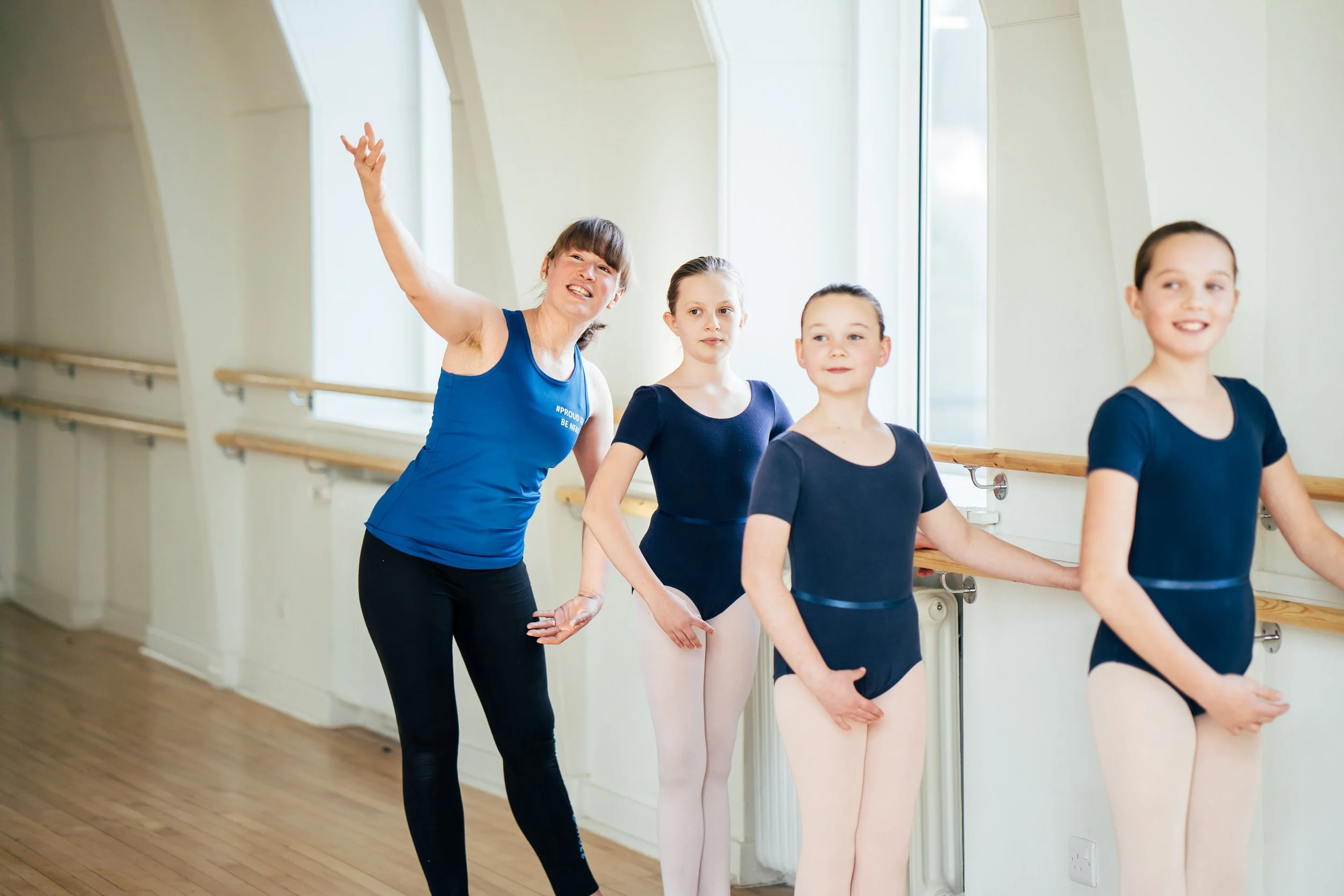
Children and young people experience a wide range of emotions as they grow — from excitement and confidence to frustration, pressure and uncertainty. Supporting emotional wellbeing is an important part of helping them feel balanced and resilient.
Dance can play a valuable role in this. At the New Forest Academy of Dance, we see how regular classes provide not only physical benefits, but also a consistent, positive space that supports how students feel day to day.
Movement and Emotional Regulation
Physical movement is closely linked with how we feel. Regular activity helps to regulate stress hormones and supports the release of endorphins, which are associated with improved mood.
Dance builds on this by combining movement with music and rhythm. This creates an environment where students are fully engaged — physically and mentally — which can help shift attention away from worries or pressure.
For many children, this becomes a reliable way to reset after a busy day at school.
A Structured Outlet for Expression
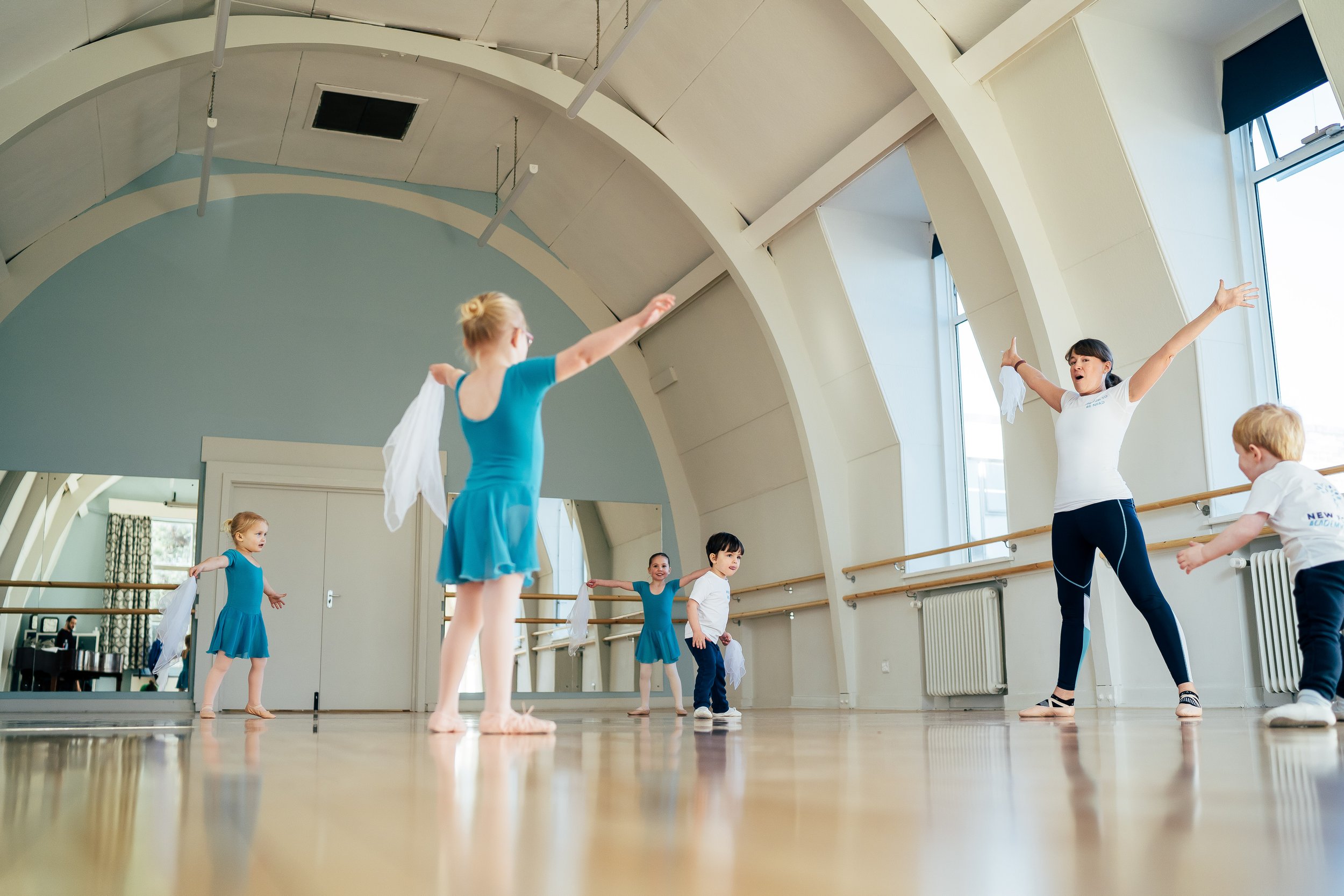
Not all children find it easy to put their feelings into words. Dance offers an alternative way to express thoughts and emotions through movement.
Different styles encourage different forms of expression. Contemporary and musical theatre allow students to explore storytelling and character, while ballet and modern develop control and musical interpretation.
This structured form of expression helps children process emotions in a safe and supported environment.
Building Confidence Over Time
Emotional wellbeing is closely connected to confidence. In dance, confidence develops gradually through consistent effort and progress.
Students learn new skills, practise them regularly, and begin to see improvement. These small, steady achievements help build a sense of capability and self-belief.
Importantly, this progress is personal. At NFAD students are encouraged to focus on their own development rather than comparison with others, to support a positive and sustainable sense of confidence.
The Importance of Social Connection
Feeling part of a group is an important factor in emotional wellbeing. Dance classes provide a shared environment where students work together, learn alongside one another and build friendships over time.
At NFAD, we place strong emphasis on creating a supportive and inclusive atmosphere. Students are encouraged to respect and support each other, helping to create a sense of belonging within the studio.
These connections can be particularly valuable as children grow older and their social world becomes more complex.
Routine and Stability
Regular routines provide a sense of stability, especially during busy or uncertain periods.
Weekly dance classes offer a consistent point in the week — a familiar environment with clear expectations and supportive teaching. This predictability can help students feel more settled and secure.
Having a regular activity that they enjoy can make a meaningful difference to how children manage the wider demands of school and daily life.
A Positive Space to Grow
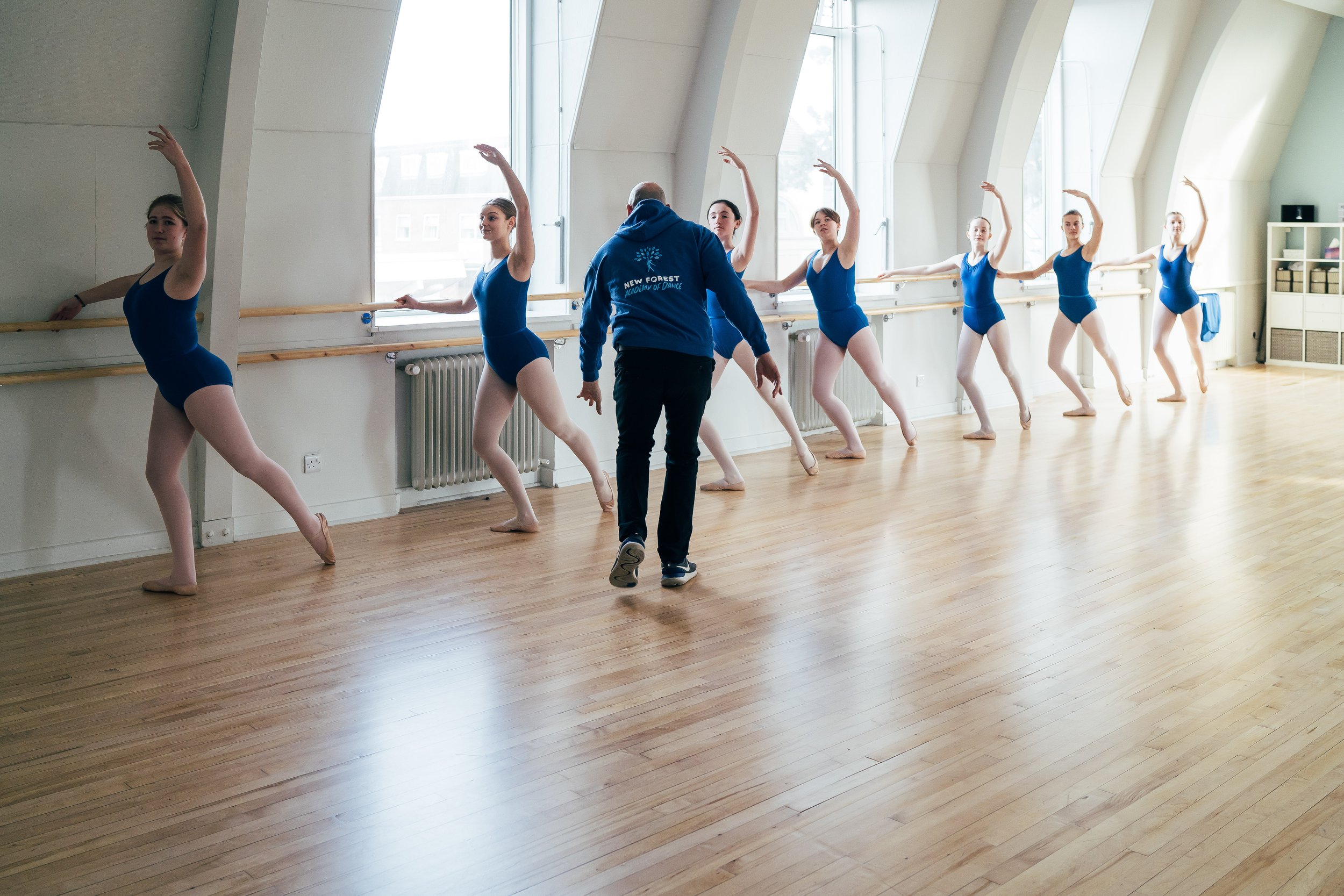
Dance supports emotional wellbeing in a way that is both natural and sustainable. Through movement, expression, routine and community, students are given the tools to manage their emotions and build confidence over time.
At NFAD, we see the impact of this every day. Students leave class not only having developed their skills, but often feeling calmer, more focused and more confident in themselves.
It is one of the many ways dance supports children as they grow — both in the studio and beyond.
