The Role of Routine in a Young Dancer’s Progress
One of the most important elements in a young dancer’s development is something very simple: routine. While performances and new choreography are often the most visible parts of dance, real progress happens gradually, through consistent and structured training over time.
At the New Forest Academy of Dance, weekly classes provide the foundation that allows students to build skills, confidence and discipline in a steady and sustainable way.
Learning Through Repetition
Dance technique is developed step by step. Movements that feel unfamiliar at first gradually become more comfortable through repetition and careful guidance.
Each week, students revisit core exercises and techniques. These repeated patterns help the body learn how to move efficiently and safely, building what is often referred to as “muscle memory”. Over time, dancers no longer need to think through every detail — movements begin to feel natural and controlled.
This process may feel gradual, but it is essential. Strong technique is not built quickly; it is developed through regular, thoughtful practice.
Building Confidence Through Familiarity
Routine also plays an important role in helping dancers feel confident in class. Familiar structures — from the warm-up to set exercises — allow students to understand what is expected of them.
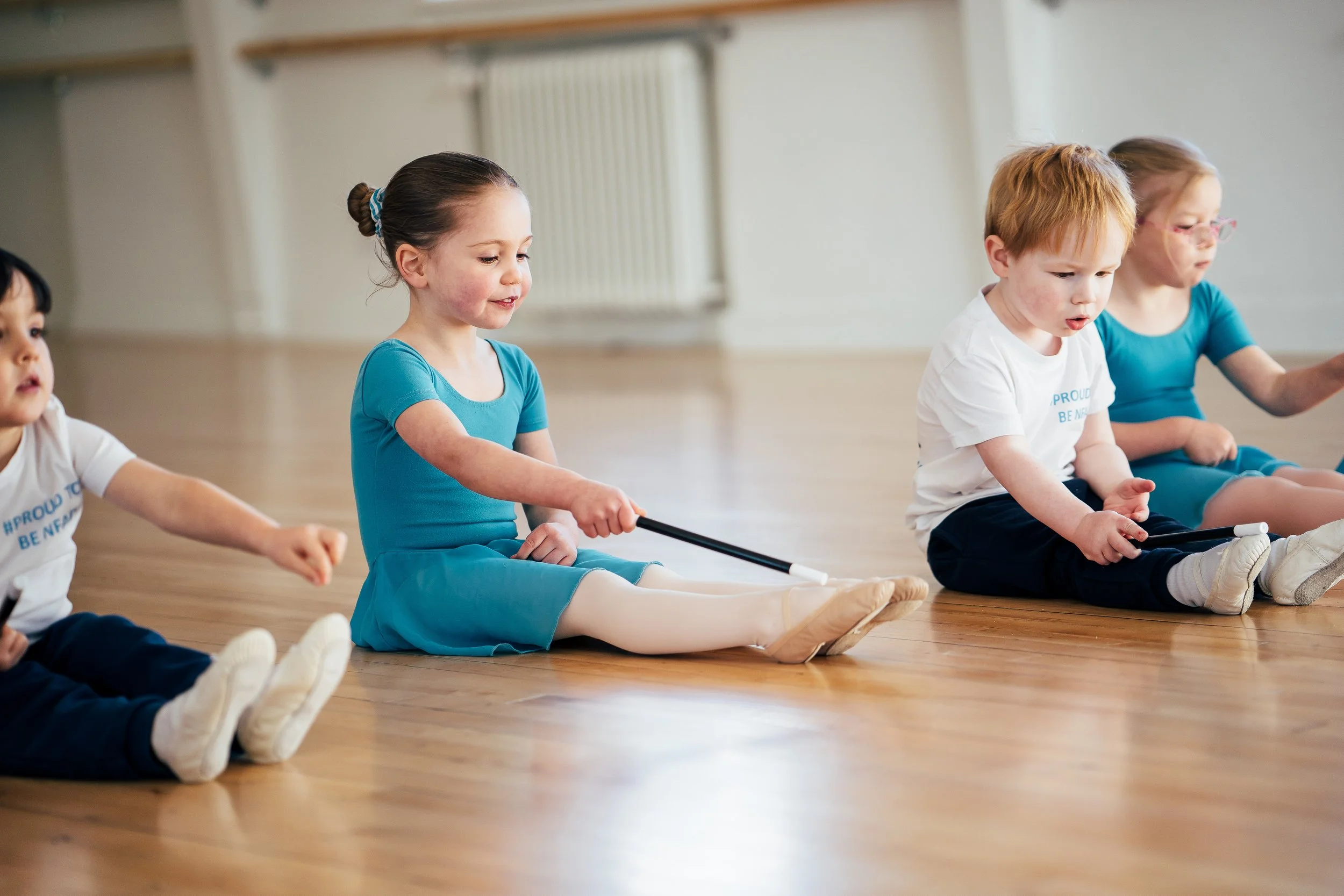
For younger children especially, this predictability can be very reassuring. Knowing what comes next helps them settle more quickly and engage more fully in the class.
As students grow in confidence, they are more willing to take on new challenges, try unfamiliar movements and push themselves a little further.
Progressing Through Clear Pathways
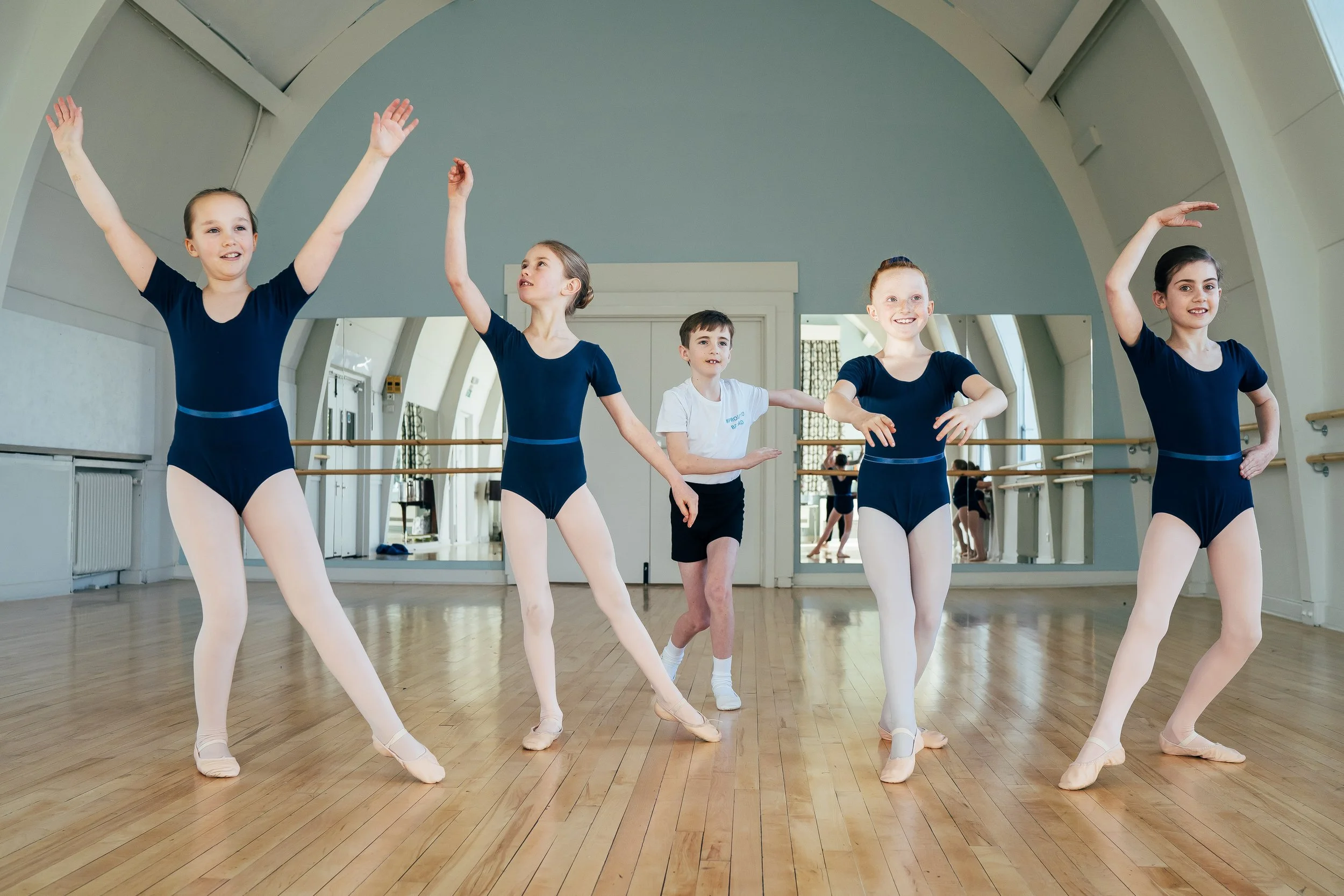
At NFAD, students follow carefully structured pathways within each dance style. Whether working through graded syllabuses or progressing into higher-level classes, each stage builds on what has come before.
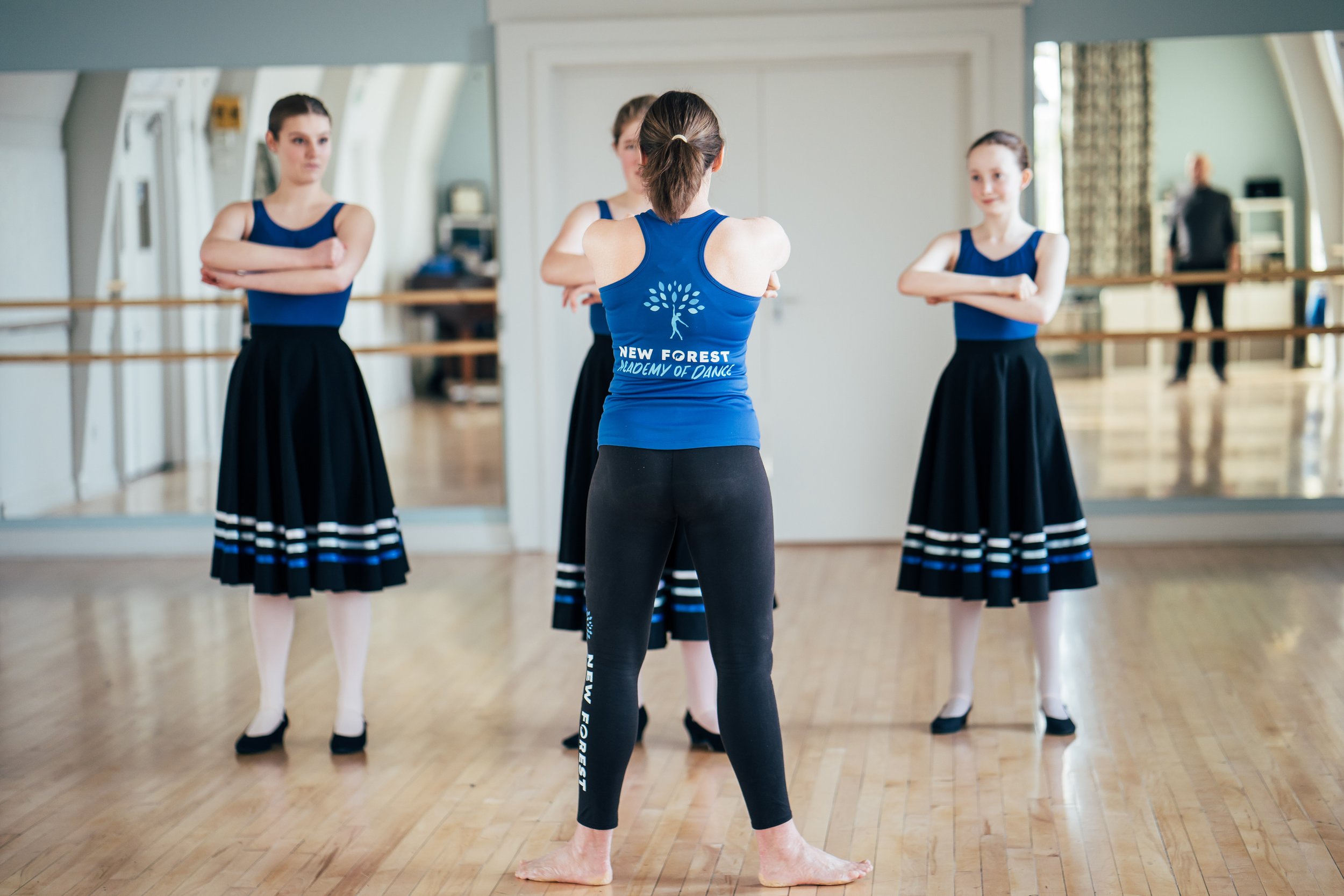
Regular attendance allows teachers to guide this progression effectively. Skills introduced in one term are developed further in the next, creating a clear sense of continuity in training.
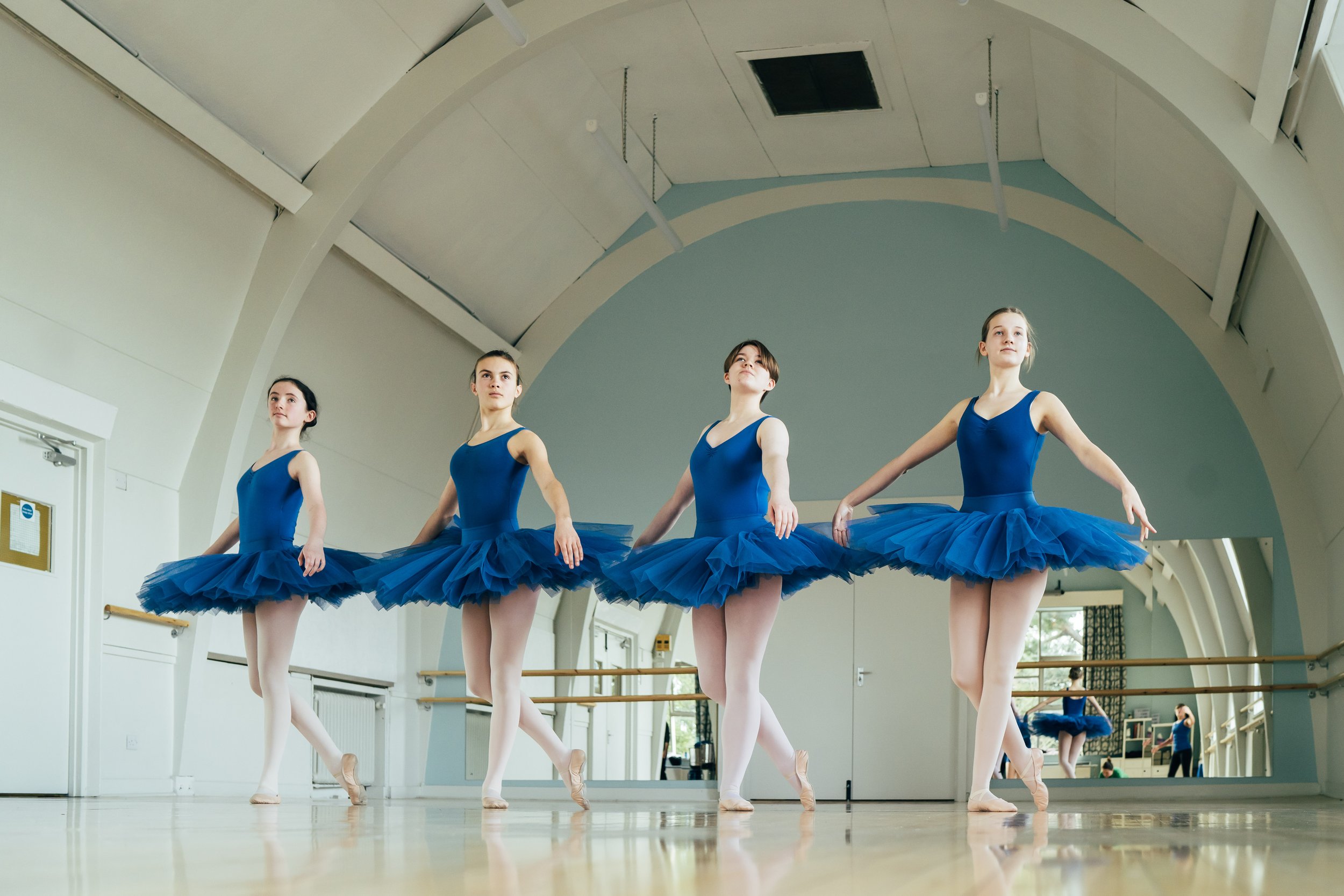
This steady approach ensures that dancers develop strong foundations before moving on to more advanced work.
Developing Positive Habits
Routine in dance also supports the development of wider habits that benefit children beyond the studio.
Arriving on time, wearing the correct uniform, listening carefully and committing to regular practice all help to build a sense of responsibility and focus. These habits often carry through into school and other activities.
Over time, students begin to understand that progress comes through consistency rather than quick results.
Small Steps Lead to Lasting Progress
It can sometimes be easy to focus on visible milestones, such as performances or exams. In reality, the most meaningful progress happens in the quieter, week-to-week moments in class.
Each lesson adds another layer of strength, coordination and understanding. These small steps, repeated consistently, lead to lasting improvement over time.
At NFAD, we value this steady approach. By maintaining regular routines and supporting each student’s individual journey, we help dancers develop not only their technique, but also their confidence, resilience and enjoyment of dance.